
Why Blended Families Need Special Trust Strategies
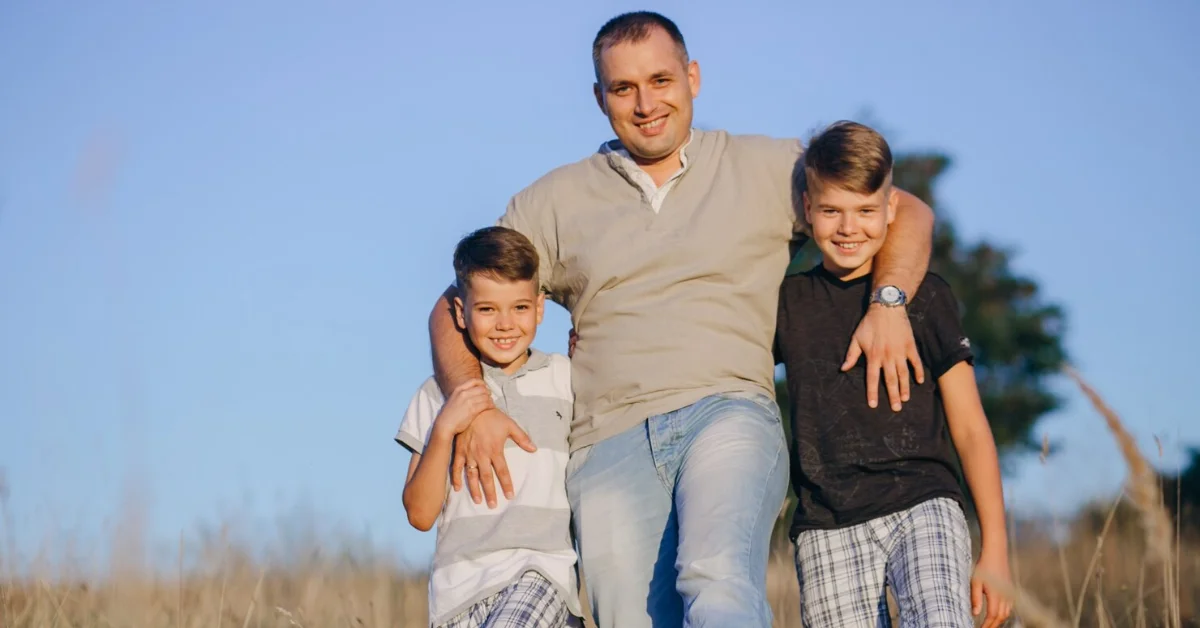
Blended families happen when two people come together and bring children from previous relationships. These families are becoming more common today. While they can be loving and supportive, they also face challenges that “traditional” families may not experience.
One of the most important things they need is strong trust-but trust in blended families does not happen automatically. It needs to be built carefully over time. Read on.
Emotional Challenges in Blended Families
One of the hardest parts of a blended family is dealing with emotions. Children may feel unsure about a new stepparent.
They might feel like they have to choose between their biological parent and their new family situation. Adults can also have emotional stress from past breakups or divorce.
Because of this, trust does not form quickly. Everyone needs time to adjust. If people feel pressured, misunderstandings can easily happen. That is why patience is very important.
Money and Financial Trust
Money is another common source of problems in blended families. Questions often come up, such as:
Who pays for what? How are children from different relationships supported? What happens in the future with inheritance?
If these things are not discussed clearly, confusion and conflict can happen. This is why open and honest money conversations are important.
Some families also use legal tools like trusts or agreements to make everything clearer and fair. This helps everyone feel more secure.
Communication Makes a Big Difference
Good communication is one of the best ways to build trust. Family members should talk openly about expectations, roles, and boundaries. Small conversations can prevent bigger problems later.
Stepparents should also take time to build relationships slowly. They should not try to replace a biological parent. Instead, they should focus on building respect and friendship over time.
Children especially need to feel safe, understood, and not left out. Simple things like listening, being consistent, and keeping promises can go a long way in building trust.
Legal Planning Helps Protect Everyone
Blended families can also benefit from legal planning. Things like wills and trusts help make sure that assets and responsibilities are clearly explained. This can prevent confusion or arguments in the future.
While legal plans do not replace emotional trust, they support it. They reduce uncertainty and help everyone understand what to expect.
Many families also get help from legal or financial professionals to make sure everything is fair. Make sure to consult the best lawyer for your will and trust.
Building Daily Trust Through Small Actions
Trust is not built in one big moment. It grows through small, everyday actions. Things like showing up on time, keeping promises, and being respectful help build confidence over time.
In blended families, these small actions matter even more. Children and adults are always paying attention to whether words match actions. When people stay consistent, trust becomes stronger little by little.
Secure Your Family’s Future Today
Blended families are unique, and so are their challenges. Trust in these families needs time, effort, and clear communication. It is not something that just happens-it is something that is built step by step.
With patience, honesty, and good planning, blended families can become strong and stable. When trust is handled well, everyone in the family feels more secure, respected, and valued.