
How Weather Patterns in Your Area Shape Long-Term Home Maintenance
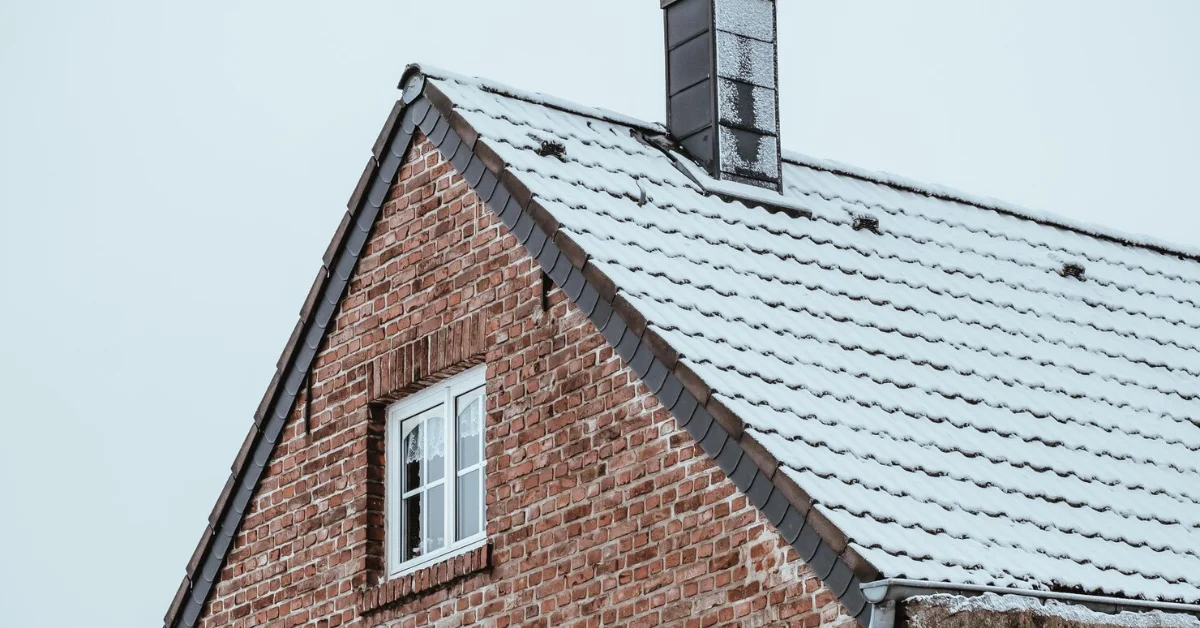
Weather doesn’t just affect your daily comfort – it determines which parts of your home fail first and how much you’ll spend on repairs. If you live in an area with freeze-thaw cycles, your driveway cracks faster.
High humidity regions see cooling systems wear out sooner. Understanding these connections lets you budget smarter and maintain your home before problems turn expensive.
How Weather Patterns Shape Long-Term Home Care
Your maintenance priorities should match your climate. Homes in the Southwest need different care than those in the Midwest. Track your area’s typical temperature ranges, annual rainfall, humidity levels, and storm frequency.
These metrics tell you exactly which systems need more frequent attention. For example, if your area sees heavy annual rainfall, your gutters and foundation drainage legitimately do need more frequent checks instead of yearly ones.
Seasonal Shifts and Their Impact on Decks and Siding
Temperature swings between seasons cause your deck and siding materials to expand and contract. This movement loosens nails, creates gaps, and eventually leads to splits in wood or cracks in vinyl.
Why Temperature Swings Stress Exterior Materials
When temperatures change, wood moves primarily due to moisture changes rather than thermal expansion. As humidity fluctuates with the seasons, wood absorbs and releases moisture, causing it to expand and contract.
This repeated movement loosens deck screws and causes siding to warp. Check fasteners annually and re-tighten or replace them. For wood decks in areas with significant seasonal humidity swings, plan to reseal every 2-3 years instead of the standard 2-5.
Moisture Exposure and Early Wear
Water penetration through tiny cracks accelerates rot exponentially. Once moisture enters, freeze-thaw cycles in winter cause further damage from ice expansion. Inspect your deck and siding after heavy rain – dark spots indicate water absorption. Apply waterproof sealant to these areas immediately. Replace any boards that stay damp after rain.
Humidity Levels and the Lifespan of Ventilation Systems
When humidity climbs above 60%, your cooling system has to work way harder just to pull moisture out of the air. That means longer runtime to maintain comfortable conditions. Instead of lasting 15-20 years like it should under normal conditions, systems in consistently humid climates can wear out earlier due to increased workload.
Change filters every 30 days in humid climates rather than every 90 days. If your indoor humidity consistently exceeds 55%, consider getting a whole-house dehumidifier. Sure, it’ll run you somewhere between $1,200 and $2,000, but that’s a lot cheaper than replacing your entire system years too early.
Sudden Temperature Drops and What They Mean for Driveways
When temperatures drop below freezing, water trapped in concrete expands by about 9%. This creates internal pressure that forms cracks. Areas experiencing 25+ freeze-thaw cycles annually should seal driveways every 2 years minimum.
Apply sealant when temperatures will stay above 50°F for 48 hours. Small cracks under 1/4 inch need crack filler immediately – ignoring them lets water penetrate deeper, turning a $20 repair into a $200 problem by next season.
When Storms and High Winds Hit: Why Roof Checkups Matter
Winds over 50 mph can lift shingle edges and weaken the seal that keeps water out. Even if shingles look intact from the ground, the seals may be compromised. After storms with strong winds (40 mph+), schedule an inspection with a roofing contractor near Lincoln within two weeks.
Missing or damaged shingles let water reach your decking, and once that wood gets wet, repairs can cost thousands while basic shingle repairs are far cheaper. Document damage with photos before calling contractors – you’ll need this for insurance claims.
Wrapping Up
Match your maintenance frequency to your weather patterns. Significant seasonal humidity swings mean more frequent deck and siding checks. High humidity demands shorter filter change intervals.
Frequent freeze-thaw cycles require aggressive driveway sealing. Track these patterns, adjust your schedule accordingly, and you’ll cut your long-term maintenance costs significantly.