
Dangerous Backyard Tree Issues That Need Immediate Attention
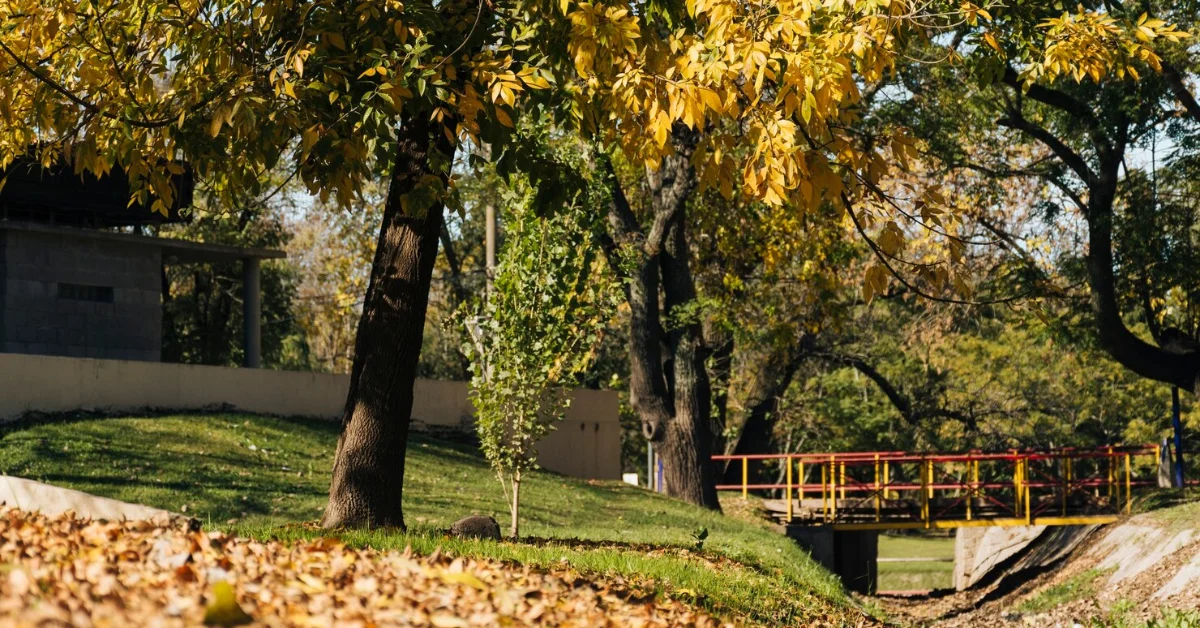
Backyard trees can make your home look beautiful and provide shade, but they can also become dangerous when they are not healthy or well maintained. Weak branches, leaning trunks, and overgrown roots can cause serious damage to your property during storms or strong winds.
These issues can also put your home, vehicles, and family at risk if ignored. Read on to learn about dangerous backyard tree issues that need immediate attention and how to deal with them before they get worse.
Leaning Tree That Was Once Straight
A tree that starts to lean suddenly is a major warning sign. Trees normally grow upright. If a tree begins to tilt, it may mean the roots are weak or broken. Soil movement or storm damage can also cause this change. A leaning tree can fall at any time, especially during strong wind or heavy rain.
Even small leaning changes can become worse over time. The angle may slowly increase without being noticed. Checking from a fixed point helps detect movement early. If the lean is new, it is more dangerous than a tree that has always grown at an angle. A sudden lean is often more serious than a slow one.
Cracks in the Trunk
Deep cracks in the trunk show that the tree structure is weakening. Small surface lines can be normal, but large splits are not safe. Cracks allow water and pests to enter the tree. Over time, this makes the tree weaker inside. A cracked trunk can break without warning during storms or strong wind.
These cracks often grow longer after rain or heat changes. Moisture can enter and expand the damage. This makes the trunk less stable with every season. Some cracks are hidden under bark, so careful inspection is needed to notice them early. A tree with multiple cracks is much more unstable than one with a single crack.
Dead or Falling Branches
Dead branches are easy to notice. They often have no leaves and may look dry or brittle. These branches can fall at any time. Even a small branch can cause injury or damage if it drops from a height. If many branches are dying, the tree may be in serious trouble. Dead branches can also signal root failure or disease.
This means the whole structure is under stress. Regular falling branches are a sign of worsening condition. If branches fall often, the tree is losing strength faster than it can recover. Strong winds, even if mild, can bring down weak branches without warning. The canopy may also look thinner over time.
Root Damage or Exposed Roots
Roots are very important for tree stability. If roots are cut, damaged, or exposed, the tree can lose its support. Construction work, soil erosion, or water flow changes can cause root problems. A tree with weak roots can fall even if it looks healthy above ground.
Root damage is often permanent. Once roots are broken, they do not fully recover. Even partial damage can reduce stability. Underground issues are dangerous because they are hard to see early.
The tree may look fine for months before suddenly failing. Loose or lifted soil near roots is often a hidden warning sign. Heavy foot traffic around the base can also weaken root strength over time.
Fungal Growth on the Trunk
Fungi growing on a tree is a sign of internal decay. Mushrooms or soft growth at the base usually mean the inside is rotting. This weakens the tree structure over time. A tree with fungus may look fine outside but can be hollow inside.
Fungi spread through moisture and weak wood. Once visible, they often indicate long-term decay. The presence of fungus means the tree’s internal defense is already failing. It is often a sign that decay has reached deep inside the trunk. The area around fungus growth is usually soft when pressed. In some cases, the bark may feel damp even in dry weather.
Soil Lifting or Heaving Around the Tree
If the soil around a tree starts to lift or crack, it can mean the roots are shifting. This is a strong warning sign of instability. The tree may be losing its grip on the ground. This condition can lead to sudden collapse during storms. Soil movement often happens before visible leaning. It is an early warning sign.
If the ground feels soft or uneven, the root system may already be damaged. Cracked soil lines near the base should always be taken seriously. Small ground changes can indicate large underground problems. After heavy rain, soil movement can become more noticeable and dangerous.
Hollow or Soft Trunk Areas
A hollow trunk is a dangerous sign. You may hear a hollow sound when tapping the tree. This means the inside wood is decaying. Even large trees can fall if the core is weak. The outer bark may still look normal, which makes it more risky.
Hollow areas can grow larger over time. The tree may look stable but be mostly empty inside. This hidden weakness makes it unpredictable during storms. A hollow trunk reduces the tree’s ability to carry weight safely. In severe cases, only a thin outer shell may remain supporting the tree. This makes sudden collapse more likely.
Pest Infestation in the Tree
Insects like termites or beetles can destroy tree wood from the inside. Small holes in the bark or sawdust-like material near the base are warning signs. Pest damage weakens the structure slowly but seriously. A heavily infested tree may become unstable over time.
Pests multiply quickly in weak trees. Once inside, they are hard to remove. The longer the infestation continues, the more the tree weakens internally. Some pests also spread disease, making the damage even worse.
Tiny holes may seem harmless at first, but they often lead to deep structural damage. The tree may also produce sticky sap as a stress response.
Sudden Loss of Leaves
If a tree suddenly loses many leaves outside its normal season, it may be stressed or dying. Healthy trees keep a steady leaf pattern. Sudden leaf loss often shows root or trunk problems. This is a sign that the tree is struggling to survive.
Leaf loss reduces the tree’s ability to produce energy. Without enough leaves, the tree becomes weaker each day. This can lead to long-term decline. A tree that loses leaves repeatedly each year is usually under serious stress. The branches may also start to dry out after leaf loss. In some cases, only the top branches lose leaves first.
Uneven or Imbalanced Canopy
A healthy tree has balanced branches on all sides. If one side becomes heavy or empty, it creates imbalance. This uneven weight can make the tree fall in one direction. Wind pressure can increase the risk of collapse.
Imbalance often develops slowly over years. However, storms can make it worse quickly. A tilted canopy adds extra stress to the trunk. The heavier side pulls the tree off balance over time. This creates uneven pressure on the root system. The tree may slowly rotate toward the heavier side.
Lightning or Storm Damage
Trees struck by lightning often show burned bark or split trunks. Storm damage can also break large limbs. Even if the tree still stands, internal damage may be severe. These trees are often unstable and can fail later without warning.
Lightning can travel deep inside the trunk. This causes hidden fractures. The damage is often more serious than it appears on the surface. Storm wounds can also become entry points for decay. Even small scars from lightning can weaken the entire tree structure. Future storms can easily cause further breakage.
Exposed or Raised Root System
When roots are pushed above ground, it shows soil loss or instability. This can happen after heavy rain or flooding. Exposed roots dry out and lose strength. The tree becomes less stable and more likely to fall.
Exposed roots also become vulnerable to heat damage. They lose moisture quickly and become brittle. This weakens the tree’s foundation over time. Once roots are exposed, they rarely regain full protection. The tree may slowly lean as the roots lose grip. Small cracks in soil can grow into larger gaps.
Water Pooling Around the Base
Standing water near the base of a tree can weaken the roots. Too much moisture leads to root rot. This slowly destroys the tree’s foundation. Over time, the tree may lean or collapse due to weak support.
Water pooling also attracts pests. Wet soil reduces oxygen, which roots need to survive. Long exposure to water is harmful for most tree types. Constant wet conditions can slowly kill the root system. The base of the tree may feel soft or spongy over time. Drainage problems make this worse.
Bark Peeling or Falling Off
Healthy bark protects the tree. When bark starts peeling in large sections, it may signal disease or decay. This can expose the inner wood to pests and weather. Continuous peeling is a warning that the tree is under stress.
Bark loss can spread quickly once it starts. Without protection, the tree becomes vulnerable to infection. This accelerates overall decline. The tree also loses its natural defense system. Large, exposed areas often become entry points for decay and insects. Sunlight can also damage exposed wood.
Tree Near Buildings or Power Lines
A tree growing too close to a house or structure can become a hazard. Strong winds can push branches into roofs or windows. In some cases, a tree may grow into electrical lines. In such situations, a professional assessment and an emergency tree removal service may be needed to reduce the risk of serious damage.
Close proximity increases risk during storms. Even healthy trees can cause damage if they are too near structures. Growth should always be monitored carefully. Over time, even slow growth can create dangerous contact. Branches may scrape or damage walls and roofs. Electrical contact can also be very dangerous.
Weak Response After Storms
A healthy tree usually recovers well after storms. If a tree looks worse after each storm, it may already be weak. Broken limbs, drooping branches, or leaning after rain are serious warning signs. This shows the tree cannot handle stress anymore.
Repeated damage reduces strength over time. Each storm leaves lasting effects. Recovery becomes slower and weaker after each event. The tree may stop recovering completely after repeated stress. New damage may appear faster than healing. This is a strong sign of decline.
Foul Smell Near the Tree
A bad smell near the base of a tree often means internal decay. Rotting wood produces a strong odor. This is a hidden sign of serious damage inside the trunk or roots. Trees in this condition are often unsafe and unstable.
The smell usually comes from deep inside the wood. It is often stronger during warm weather. This indicates active decay is spreading. The odor may increase after rain or humidity. A strong smell often means advanced decay is present. The smell can spread further during hot days.
Poor Growth or No Seasonal Recovery
If a tree stops growing or does not recover each season, it may be dying. Healthy trees show new leaves and steady growth. A tree that stays weak for long periods may be losing its life slowly. This is often the final stage before collapse.
Poor growth means the tree cannot repair itself. Over time, branches weaken and fall more easily. This is a clear sign of long-term decline. Eventually, the tree loses its ability to survive stress. Growth becomes slow or completely stops. New shoots may fail to appear each season.
Learn All About Dangerous Backyard Tree Issues
Backyard trees can become dangerous when warning signs are ignored. Small changes like leaning, cracks, or dead branches often point to bigger hidden problems. Each sign in this guide helps you understand when a tree may no longer be safe.