
Safe Aquatic Activities That Support Early Childhood Development
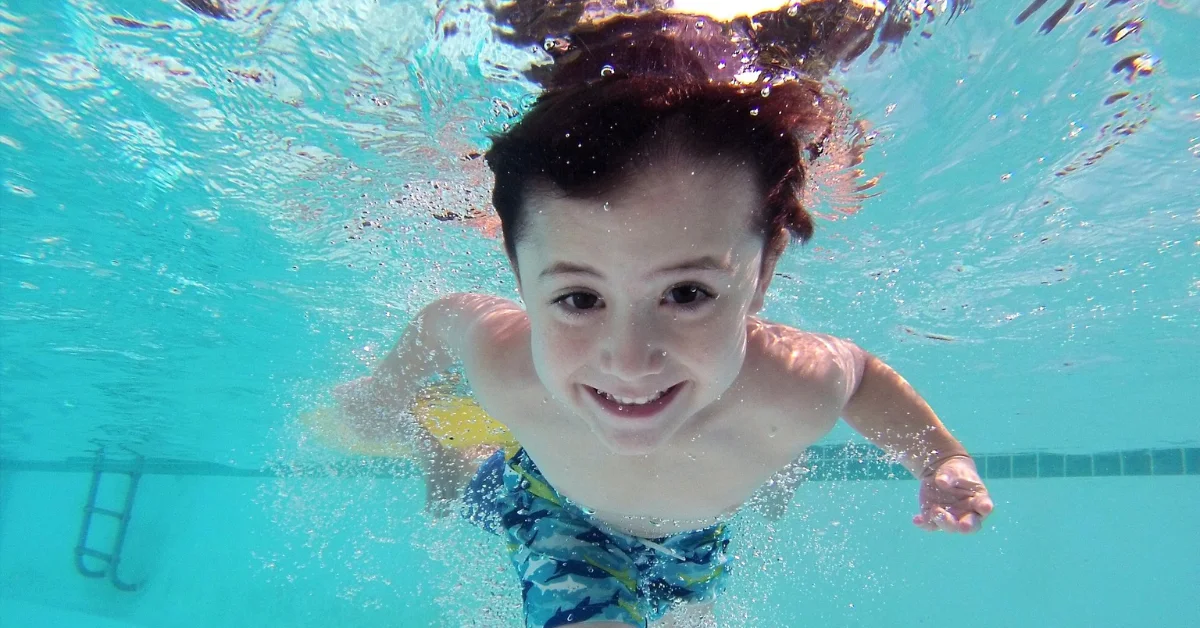
Have you ever noticed how your child lights up the moment they see water?
Whether it is a bathtub splash session or a sunny pool day, water seems to bring instant joy. But beyond the giggles and splashes, these moments can shape how children grow and learn. Water play can build strength, boost confidence, and support social skills in simple ways.
This article explores safe aquatic activities that help young children develop while having fun.
Why Water Play Matters In Early Childhood
Water is more than a fun activity. It offers a rich sensory experience that helps young brains grow. When children move through water, they feel resistance that strengthens their muscles and improves balance.
Boosts Coordination
Water play helps young children strengthen both large and small muscle groups. Splashing, pouring, and reaching in water challenge balance and coordination in gentle ways. These playful movements build physical confidence without feeling like exercise.
Children learn to control their bodies as they move through water. Even simple actions like squeezing a sponge or filling a cup improve hand strength and precision. Over time, these repeated motions support better control in writing, dressing, and other daily tasks.
Parents often look for ways to help their children grow stronger and more independent. Enrolling them in kid’s swim lessons can be one simple step toward building those skills. Structured lessons also create a safe space where trained instructors guide each movement.
Encourages Physical Confidence
The buoyancy of water supports a child’s body while still offering resistance. This balance allows children to experiment with movement in a safer and less intimidating environment. They gain trust in their abilities as they test what their bodies can do.
When children feel supported, they are more willing to try new movements. Floating, kicking, and gentle jumping in shallow water build courage. That sense of mastery strengthens their overall confidence on land as well.
Sparks Curiosity
Water naturally invites exploration and experimentation. Children notice how objects sink, float, swirl, and splash. These observations lay the groundwork for early scientific thinking.
Through play, children begin forming simple hypotheses about what will happen next. They test ideas by pouring water into different containers or mixing it with sand. This trial-and-error process builds problem-solving skills in a joyful way.
Enhances Language Skills
Water play often inspires conversation between children and caregivers. Words like splash, drip, heavy, and empty become part of their growing vocabulary. Describing what they see and feel strengthens communication skills.
When adults ask open-ended questions, children learn to explain their thinking. They practice sequencing events and sharing discoveries. These interactions expand both expressive and receptive language abilities.
Building Strong Motor Skills Through Aquatic Play
Before children learn to read or write, they must first master movement. Gross motor skills and fine motor skills both play a role in early development. Water offers a playful way to strengthen both.
Improving Balance And Coordination
Balance is a core skill for young children. In water, the body must adjust to gentle waves and movement. This helps children learn how to control their posture and stay steady.
Kicking, paddling, and reaching for floating toys all improve coordination. These actions require the brain and muscles to work together. Over time, children become more confident in how they move.
Better coordination in water often leads to better coordination on land. Children who practice balancing in a pool may also improve in running, jumping, and climbing. These gains support overall physical development.
Strengthening Muscles In A Low-Impact Way
Water adds resistance to every movement. Even small actions like splashing or walking through shallow water build muscle strength. This happens without placing stress on joints.
For toddlers and preschoolers, low-impact movement is important. Their bones and joints are still growing and need gentle support. Water allows them to build strength safely.
Stronger muscles help with everyday tasks. Lifting toys, climbing stairs, and sitting upright all require core and limb strength. Aquatic play builds these skills in a fun and natural way.
Supporting Social And Emotional Growth
Aquatic activities are not just about physical strength. They also create space for children to learn how to interact with others. Group play in water can teach sharing, patience, and teamwork.
Building Strong Relationships
Children grow best when they feel safe and valued by the people around them. Warm, steady connections with caregivers help them trust others and explore the world with confidence. These early bonds create the foundation for healthy social skills later in life.
Strong relationships also teach children how to understand feelings. When adults listen and respond with care, kids learn that emotions are normal and manageable. Over time, this support helps them express themselves clearly and calmly.
Encouraging Emotional Awareness
Emotional awareness begins with simple conversations about feelings. Naming emotions like happy, sad, or frustrated gives children words for what they experience. This skill helps them handle challenges instead of acting out.
When children recognize their emotions, they also begin to notice feelings in others. This awareness builds empathy and kindness in daily interactions. As empathy grows, children form stronger friendships and feel more connected.
Promoting Positive Social Skills
Social skills develop through shared play and guided interaction. Taking turns, sharing toys, and cooperating in games teach patience and respect. These small lessons prepare children for teamwork in school and beyond.
Adults can model healthy communication to reinforce these skills. Speaking calmly and solving conflicts peacefully shows children how to manage disagreements. With practice, they learn to handle social situations with confidence and care.
Creating a Supportive Environment
A supportive environment encourages children to express themselves without fear. Clear routines and gentle guidance provide structure that feels safe. This sense of security allows emotional growth to flourish.
Positive reinforcement also strengthens emotional development. Praising effort and kindness builds self-esteem and motivation. When children feel supported, they are more willing to try new experiences and build lasting relationships.
Encouraging Cognitive Development Through Water Activities
Young children learn best through play. Water activities offer many chances to explore cause and effect. When a child drops a toy in water and sees it float, they are learning basic science concepts.
Engaging the Senses Through Movement
Water invites children to explore with their whole bodies, stimulating touch, sight, and sound all at once. The feeling of splashing, pouring, and swirling helps young brains process sensory information more smoothly. These repeated experiences build neural connections that support attention and emotional regulation.
When children move their hands through water, they experience changes in temperature, pressure, and resistance. These variations activate sensory pathways that strengthen how the brain interprets physical input. Over time, this sensory awareness supports improved coordination and body control.
Building Focus Through Gentle Challenges
Simple water games, like transferring water between cups, require concentration and patience. Children learn to adjust their movements when they spill or overfill, sharpening problem-solving skills. Each small correction strengthens executive function, which helps with planning and self-control.
Floating toys can become tools for prediction and experimentation. Children observe which objects sink and which stay afloat, forming early scientific reasoning skills. These playful experiments encourage curiosity and a natural desire to test ideas.
Strengthening Communication Skills
Group water activities encourage children to talk, listen, and cooperate. Sharing buckets and waiting turns teaches basic conversational and social rhythms. These interactions lay the groundwork for empathy and respectful communication.
As children play side by side, they naturally practice expressing needs and negotiating space. They might request a toy or suggest a new game, building confidence in verbal expression. This communication practice strengthens language development in a joyful setting.
Encouraging Cooperative Problem Solving
Working together to fill a container or create a simple water obstacle course promotes teamwork. Children must coordinate actions and respond to one another’s ideas. These cooperative efforts strengthen cognitive flexibility and perspective-taking.
Shared goals in water play create opportunities to resolve small conflicts peacefully. Children learn that compromise can lead to more enjoyable outcomes. These social problem-solving skills extend beyond the pool or splash area into everyday life.
Stimulating Creative Thinking
Water transforms into whatever a child imagines, from an ocean adventure to a pretend kitchen. This imaginative flexibility supports abstract thinking and narrative development. The brain benefits from this creative rehearsal, strengthening memory pathways.
Pretend scenarios in water play often involve storytelling and role-play. Children create characters and challenges, which enhance sequencing and recall skills. These imaginative exercises help them organize thoughts and remember details.
Reinforcing Learning Through Repetition
Repetitive movements in water, such as scooping and pouring, support procedural memory. Each repetition reinforces neural patterns that help skills become automatic. This process builds confidence and encourages children to attempt more complex tasks.
Simple instructions during water activities further strengthen memory retention. When children associate rhythm and movement with learning, information becomes easier to recall. The combination of physical action and verbal cues creates a powerful learning loop.
Safety Tips For Positive Aquatic Experiences
Water activities can be fun and healthy for children. Simple safety steps help make every swim a positive experience.
Supervise Every Water Moment
Always watch children closely when they are in or near water. Stay within arm’s reach, especially with young or new swimmers. Even shallow water can be unsafe without close attention.
Avoid using your phone or turning away while children are swimming. Make sure one adult is clearly in charge of watching at all times. Steady supervision helps children feel safe and enjoy the water.
Choose Age-Appropriate Activities
Pick water activities that match a child’s age and skill level. Babies and toddlers should stay in shallow water with gentle play. Simple games help them feel calm and comfortable.
Older children can try new skills step by step. Do not rush them into deeper water before they are ready. Slow progress builds trust and strong swimming habits.
Use Proper Safety Equipment
Well-fitted life jackets provide critical protection, especially for inexperienced swimmers. Choose equipment approved by recognized safety organizations and ensure it matches the child’s size and weight. Inflatable toys alone are not reliable flotation devices.
Swim caps, goggles, and non-slip footwear can also improve comfort and safety. Proper gear reduces slips on wet surfaces and protects sensitive eyes from irritation. When children feel secure in their equipment, they can focus on learning and having fun.
Teach Basic Water Rules
Clear, simple rules create structure around aquatic play. Teach children to walk near pools, avoid rough play, and ask permission before entering the water. Repeating these expectations reinforces safe habits over time.
Rules should be explained calmly and modeled consistently by adults. Demonstrating safe behavior shows children what responsible water conduct looks like. Positive reinforcement encourages them to follow guidelines willingly and confidently.
Prepare for Emergencies
Every caregiver should understand basic water rescue and first aid skills. Knowing how to respond quickly can significantly reduce the severity of an incident. Consider taking CPR and water safety courses to strengthen preparedness.
Keep emergency equipment nearby and accessible at all times. A phone, first aid kit, and flotation device should be within reach during water activities. Preparation provides peace of mind and supports a safe, positive aquatic environment.
Gentle Science Behind Water-Based Development
Water provides natural resistance that challenges muscles with every movement. This resistance activates core stability and improves neuromuscular coordination. The body learns to respond to changing balance demands in real time.
In simple terms, water makes the body work a little harder in a safe way. Muscles grow stronger, and the brain learns how to guide each movement. Over time, these small efforts add up to better control and confidence.
The buoyancy of water also reduces the impact of gravity. This allows children to practice movements that might feel difficult on land. As a result, they gain skills faster and with less frustration.
Brain development in early childhood is closely tied to physical movement. When children explore water, they create new neural connections. These connections support learning in many other areas.
Little Splashes Big Growth
Water can be a place of joy, courage, and discovery for young children. When guided with care, aquatic play becomes more than simple fun. It becomes a tool for growth that supports body, mind, and heart.
Parents who create safe water experiences give their children a chance to explore and thrive. Each splash can build strength and self-belief. Small moments in the pool today can support big milestones tomorrow.