
How to Optimize Efficiency in Mineral Processing
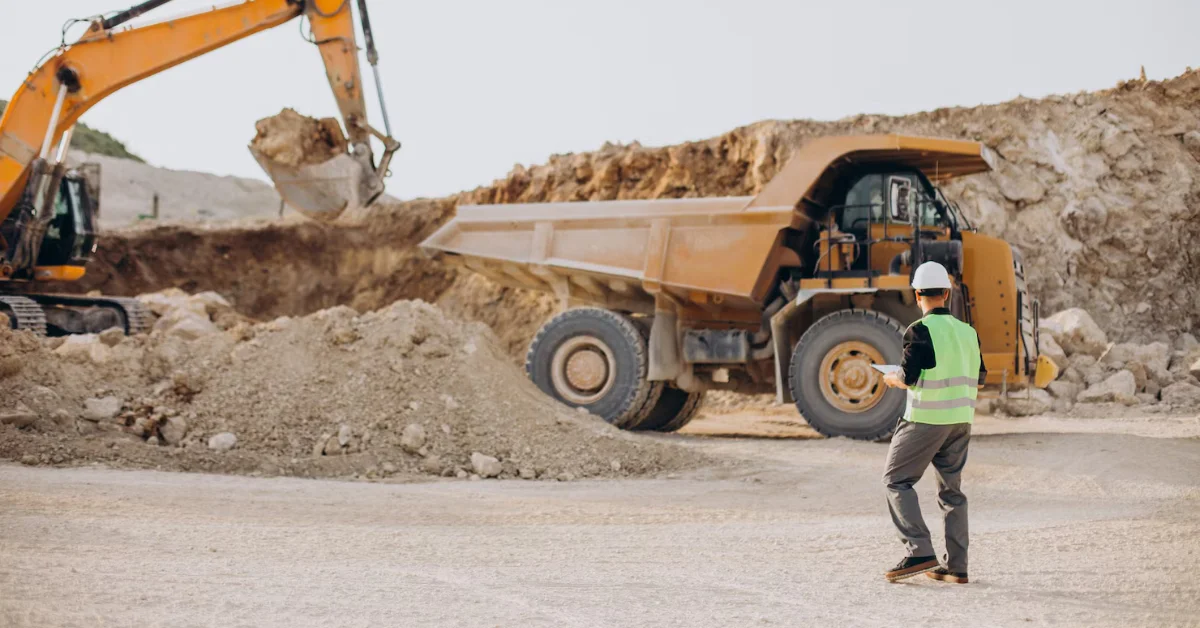
Mineral processing is the method of turning raw ore into useful materials. It affects how much product you get and how much it costs. Doing it right can save time and reduce waste.
Many operations lose value by not using the best methods. Small changes in machines, workflow, or testing can improve results. Paying attention to details can increase recovery and lower costs.
Read on to learn practical ways to improve efficiency in mineral processing.
Equipment Selection and Setup
Choosing the right equipment is critical in mineral processing. Machines should match the type and size of the material. Improper selection can cause blockages and reduce recovery. Maintenance schedules must be followed to avoid downtime. Placement of equipment affects flow and efficiency.
Using flexible setups allows quick adjustments to process changes. Simple inspections can identify problems before they escalate. Operator training ensures machines are used correctly. Upgrading worn parts prevents costly failures. Proper setup reduces energy use and improves output.
Ore Characterization and Analysis
Knowing the ore properties is the first step to efficient processing. Testing helps identify hardness, density, and mineral content. Understanding these factors guides equipment choice and settings. Simple laboratory tests provide critical information for scaling up.
Consistent sampling avoids errors in planning. Data helps predict recovery rates and losses. Adjustments can be made before large-scale processing. Monitoring variations in ore ensures smooth operations. Proper analysis prevents unnecessary wear on equipment. Accurate ore data improves overall efficiency.
Grinding and Crushing Optimization
Crushing and grinding reduce ore size for further processing. Using the right size and speed improves efficiency. Over-grinding wastes energy and produces fines. Under-grinding lowers recovery rates. Equipment should be matched to ore hardness.
Regular checks prevent clogging and uneven wear. Adjusting feed size improves throughput. Lubrication and cleaning maintain performance. Simple measurement of particle size helps monitor the process. Optimized grinding reduces energy costs and improves output.
Classification and Screening
Screening separates particles by size for the next stage. Correct sizing ensures proper downstream processing. Oversized particles can cause blockages and reduce recovery. Fine particles may be lost if not handled correctly. Screens should be cleaned regularly to avoid buildup.
Choosing the right mesh size improves efficiency. Simple adjustments to flow rates help maintain consistent output. Monitoring screen performance prevents downtime. Efficient classification improves overall mineral recovery. Proper screening reduces reprocessing needs and energy use.
Flotation Efficiency
Flotation separates valuable minerals from waste using bubbles. Proper chemical use improves selectivity and recovery. Overuse of reagents increases cost without improving results. Maintaining the right pH and temperature is essential. Equipment should be balanced for even flow.
Regular monitoring ensures consistent bubble formation. Simple changes in air flow or speed can improve results. Proper mixing prevents losses of fine particles. Training operators to watch for signs of inefficiency helps maintain performance. Optimized flotation increases yield and reduces chemical waste.
Magnetic and Electrostatic Methods
Magnetic and electrostatic separation target specific mineral properties. Choosing the right strength or voltage is important. Overuse can damage equipment or reduce efficiency. Proper maintenance ensures consistent performance. Particle size affects separation, so sizing is critical.
Simple monitoring allows quick corrections. Adjusting feed rate balances recovery and throughput. Operator training improves handling and setup. Efficient separation reduces waste and increases recovery. These methods help maximize output in mineral processing.
Water and Reagent Management
Controlling water and chemicals improves efficiency. Too much water can dilute processes and increase costs. Too little can cause blockages and uneven separation. Proper dosing of reagents reduces waste. Regular monitoring of levels ensures consistent performance.
Simple adjustments prevent overuse and environmental issues. Efficient management lowers operational costs. Clean water prevents scaling and buildup. Monitoring chemical quality helps maintain recovery rates. Proper handling improves output and reduces downtime.
Energy Efficiency Measures
Energy use is a major cost in mineral processing. Simple improvements in motor efficiency reduce consumption. Adjusting machine speed to match feed reduces waste. Regular maintenance prevents unnecessary energy loss. Monitoring power use identifies inefficiencies.
Using energy-efficient lighting and pumps helps overall savings. Operator awareness can prevent energy misuse. Insulation and flow optimization improve efficiency. Process control systems can adjust operations automatically. Lower energy use reduces costs without affecting recovery.
Process Monitoring and Automation
Monitoring the process identifies problems early. Sensors track flow, density, and particle size. Automation can adjust settings to maintain efficiency. Simple visual checks complement automated systems. Data collection helps operators make informed decisions.
Real-time monitoring prevents losses and improves recovery. Proper calibration ensures accurate readings. Training ensures operators understand the data. Automation reduces human error and downtime. Effective monitoring maintains consistent mineral processing performance.
Maintenance and Troubleshooting
Regular maintenance prevents unexpected failures. Inspections identify worn or damaged parts. Simple lubrication and cleaning improve machine life. Troubleshooting guides help resolve issues quickly. Preventive maintenance schedules reduce downtime.
Monitoring equipment performance prevents hidden problems. Operator training ensures quick detection of faults. Keeping spare parts available avoids delays. Documenting repairs improves future planning. Well-maintained equipment increases overall mineral processing efficiency.
Continuous Improvement Strategies
Continuous improvement helps maintain efficiency over time. Collecting data identifies trends and issues. Simple tests and audits show where changes are needed. Implementing small adjustments can produce big results. Operator feedback helps refine processes.
Regular review of procedures ensures best practices. Using updated mineral processing technology can improve recovery rates. Training programs keep skills current. Setting efficiency targets motivates teams. Continuous improvement keeps operations competitive and productive.
Learn How to Optimize Efficiency in Mineral Processing
Mineral processing efficiency depends on careful planning, monitoring, and maintenance. Each stage from ore analysis to final separation plays a role in output. Small improvements in equipment, water use, or energy consumption can have a big impact.
Regular training and attention prevent costly mistakes. Monitoring data and adjusting processes ensures consistent recovery. Operators who implement continuous improvement see long-term gains. Applying these strategies creates a reliable and cost-effective mineral processing operation.