
Things to Know Before Moving Heavy Items in Wellington
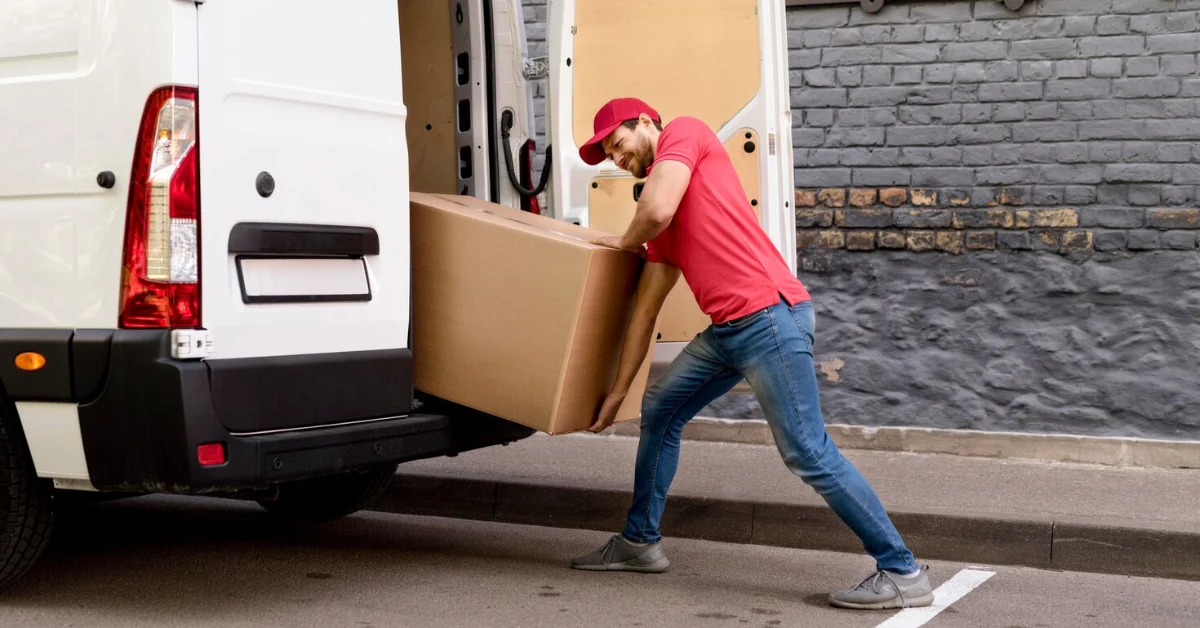
Moving heavy items in Wellington is not just about lifting safely. Steep streets, tight access, older homes, limited parking, and exposed entry points can all make a simple move harder than expected. Before anything is carried out, it helps to think about the item, the route, and the property itself so the move is safer and less likely to cause damage.
Check Access Before You Start
One of the main things to know before moving heavy items in Wellington is that access often matters more than raw weight. A fridge, sofa, or solid timber table can be hard to move when the property has narrow halls, steep steps, tight corners, or poor vehicle access. This is common in hill suburbs where driveways may be short, angled, or unusable for larger trucks.
That becomes clear as soon as you start checking door widths, stair clearance, lift access, and kerbside loading space. In situations where access is awkward or space is limited, working with furniture movers in Wellington for local relocations can help avoid rushed decisions that often lead to damaged edges, strained backs, or items getting stuck halfway through a move.
Expect Wellington Terrain to Affect the Move
Wellington homes often come with physical constraints that change how heavy items need to be handled. Sloping sections, uneven paths, exposed entrances, and multi-level layouts can all make lifting and carrying more difficult. Even a short distance between the house and the truck can feel much longer when the route is steep or unstable.
Weather also matters. Strong wind can affect balance when carrying large items, while rain can make outdoor surfaces slippery. Heavy lifting in those conditions raises the risk of both injury and damage, so it is worth thinking about terrain and conditions before moving day.
Know Which Items Need Special Handling
Not all heavy items should be moved the same way. A washing machine, antique cabinet, marble table, treadmill, or large television each has its own handling issues. Some are heavy because of internal parts, while others are awkward because of their size, shape, or fragile surfaces. Weight distribution can matter just as much as total weight.
It also helps to decide whether an item should be dismantled first. Bed frames, dining tables, modular sofas, and gym equipment are often easier and safer to move in sections. Keeping them fully assembled may seem quicker, but it can increase the risk of damage to both the item and the home.
Protect the Path as Much as the Item
A common mistake is focusing only on the item and not the route it needs to travel. Wellington homes, especially older ones, often have tighter interiors, timber floors, narrow stairwells, and door frames that mark easily. One heavy move can leave chipped paint, dents, or floor damage if the path is not prepared properly.
Measuring the item and clearing the route in advance can prevent a lot of problems. Sometimes, small steps, such as removing a door from its hinges or protecting corners and floors, make the move far more controlled and reduce the chance of avoidable repairs.
Use Proper Equipment and Good Technique
Heavy lifting should not rely on strength alone. The right moving equipment makes a major difference to safety and control. Trolleys, dollies, lifting straps, padding, and tie-downs all help reduce strain and keep items stable during the move.
This is where manual handling of loads becomes relevant: safe movement depends on grip, posture, balance, turning space and whether the load can be carried without twisting or overreaching.
Technique matters just as much. Poor posture, sudden turning, and uneven lifting positions are common causes of injury. When an item is bulky, fragile, or difficult to manoeuvre, trying to force the move usually creates more problems than it solves.
Timing and Truck Positioning Matter
In Wellington, timing can shape how smoothly heavy items are moved. Busy streets, tight parking, school traffic, and shared accessways can all slow down loading. If the truck cannot park close to the property, every extra metre adds time, effort, and risk.
Thinking ahead about the best loading time, the nearest legal stopping point, and how far the item needs to be carried can make the move much more manageable. Good timing reduces pressure, and less pressure usually leads to safer handling.
A Better Move Starts With Planning
Moving heavy items in Wellington is easier when the job is planned around access, terrain, weather, item type, and handling method. A careful approach protects the property, reduces the risk of injury, and helps the move run more smoothly from the start.