
How to Improve Home Energy Efficiency with Crawl Space Insulation
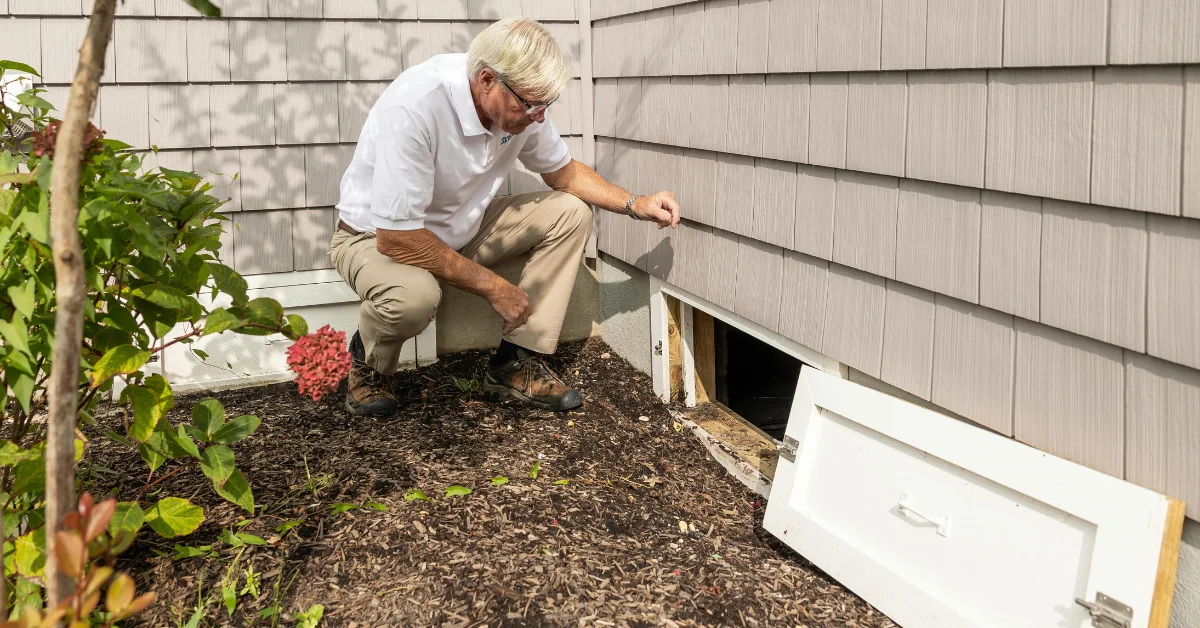
Improving home energy efficiency starts with addressing hidden areas like crawl spaces. Heat can escape, and moisture can reduce comfort and insulation performance.
Proper crawl space insulation keeps your home warmer in winter and cooler in summer. It also reduces drafts and protects floors and foundations. Simple upgrades can lower energy bills and improve indoor air quality.
Assessing and insulating your crawl space is an effective step toward long-term energy savings. Learn how to make your home more efficient with these strategies.
Understanding Crawl Space Insulation
Crawl space insulation prevents heat from escaping through the floor. Proper insulation keeps the home warmer in winter and cooler in summer. It also reduces drafts and cold spots in living areas.
Moisture control is another benefit, protecting your floors and foundation. Insulation materials can be installed on the crawl space walls or under the floor.
Benefits of Wall Insulation
Insulating the crawl space walls helps maintain a stable temperature. It blocks cold air from entering living spaces. Wall insulation also keeps the foundation dry. This type of insulation can improve indoor air quality. It works best when combined with proper ventilation.
Benefits of Floor Insulation
Floor insulation stops heat from escaping into the crawl space. It creates a warmer surface in the rooms above. It also reduces energy costs during colder months. Installing insulation under the floor prevents drafts. Proper floor insulation complements wall insulation for maximum efficiency.
Moisture and Air Control
Air sealing and moisture barriers are essential in crawl spaces. They prevent mold, mildew, and structural damage. Moisture control enhances the performance of insulation. Vapor barriers or sealants are commonly used for protection. Managing air and moisture ensures long-term energy savings.
Choosing Insulation Materials
Crawl spaces can use fiberglass, foam board, or spray foam. Each material has different benefits for heat retention and moisture control. Foam boards resist moisture and block heat loss effectively. Fiberglass is affordable but requires vapor barriers. Spray foam fills gaps and stops air leaks.
Installation Tips
Proper installation ensures insulation works efficiently. It should cover all surfaces without gaps. Air leaks need to be sealed first. Safety gear should be used during installation. Correct installation maximizes energy savings and comfort.
Identifying Energy Loss in Your Crawl Space
Energy loss often happens in hidden areas of the home. Crawl spaces can be a major source of heat leakage if not properly insulated. Cold air entering through cracks increases heating costs in winter, while warm air rising in summer makes cooling systems work harder.
Moisture can also reduce insulation effectiveness and cause structural problems. Inspecting the crawl space for gaps, cracks, and damp spots is essential before making improvements.
Signs of Heat Loss
Uneven floor temperatures or cold spots above the crawl space indicate heat loss. Drafts can often be felt near vents or gaps in flooring. Energy bills that are consistently higher than expected may point to hidden leaks. Detecting these issues early helps target insulation efforts. Addressing heat loss improves overall home comfort and efficiency.
Air Leaks and Gaps
Cracks, holes, or openings around plumbing and wiring allow air to escape. Sealing these areas prevents energy waste. Gaps in the foundation or between joists are common culprits. Identifying air leaks ensures insulation performs effectively. Small gaps can have a large impact on heating and cooling costs.
Moisture Issues
Standing water, damp spots, or high humidity signals moisture problems. Moisture reduces insulation effectiveness and can lead to mold growth. Addressing these issues before adding insulation is critical. Vapor barriers and proper drainage help manage moisture. Keeping the crawl space dry extends insulation life and energy efficiency.
Monitoring and Assessment
Regular inspections of the crawl space help detect energy loss early. Checking insulation, seals, and moisture levels identifies needed repairs. Seasonal assessments are recommended for consistent performance. Accurate monitoring ensures improvements are effective. Proper evaluation guides long-term energy savings and comfort.
Choosing the Right Insulation Material
Not all insulation works well in crawl spaces. Different materials offer various levels of heat retention, moisture resistance, and air sealing. Choosing the right type affects long-term energy efficiency and comfort.
Fiberglass, foam board, and spray foam are the most common options. Each material has benefits and limitations depending on the home’s needs and local climate.
Fiberglass Insulation
Fiberglass is a cost-effective option for crawl spaces. It is easy to install and provides decent thermal resistance. However, it must be paired with a vapor barrier to prevent moisture problems. Compression or wetting can reduce its effectiveness. Fiberglass works best in dry and well-sealed crawl spaces.
Foam Board Insulation
Foam board offers good moisture resistance and thermal performance. It is rigid and can be cut to fit walls or under floors. Foam board also helps block air leaks when properly sealed. It lasts longer than fiberglass in damp environments. This material is ideal for homes with moderate to high humidity.
Spray Foam Insulation
Spray foam expands to fill gaps and cracks, creating a tight seal. It provides both insulation and air sealing in one application. Spray foam is more expensive but highly effective for energy savings. It also helps prevent moisture and pest issues. Professional installation is recommended for best results.
Factors to Consider
Consider moisture levels, climate, and budget when choosing insulation. Check for compatibility with your crawl space design. Evaluate long-term durability and maintenance needs. Proper selection ensures maximum energy efficiency. Combining materials may be an option for complex spaces.
Professional Advice
Consulting a professional can help select the best insulation. Experts assess the crawl space for moisture, air leaks, and structural issues. Their guidance ensures the chosen material performs effectively. Correct material choice reduces energy loss and improves home comfort. Expert input also minimizes mistakes during installation.
Installing Insulation Correctly
Correct installation is essential for crawl space insulation to work effectively. Even the best materials lose efficiency if gaps or compression occur. All exposed surfaces should be covered, including walls, floors, and around pipes.
Air leaks must be sealed before installing insulation. Following safety precautions, like wearing protective gear, is important during the process.
Preparing the Crawl Space
Before installation, clear debris and remove old or damaged insulation. Check for moisture, pests, or structural issues. Seal any gaps or cracks in walls and floors. Ensure proper ventilation is planned to avoid mold growth. Preparing the space creates a clean and safe environment for insulation.
Floor Installation
Insulating under the floor keeps heat from escaping into the crawl space. Attach insulation securely between floor joists. Avoid compressing the material, as this reduces effectiveness. Make sure the insulation is continuous without gaps. Proper floor installation improves home temperature and energy savings.
Wall Installation
Insulating the crawl space walls helps stabilize indoor temperatures. Fit insulation tightly against walls and seal edges. Consider using materials that resist moisture for better performance. Wall insulation complements floor insulation for maximum efficiency. Proper wall installation enhances comfort and reduces energy costs.
Air and Moisture Sealing
Seal all air leaks before and after insulation installation. Use caulking, spray foam, or vapor barriers as needed. Preventing moisture penetration extends insulation life. Proper sealing reduces drafts and energy loss. This step ensures insulation performs at its full potential.
Safety Measures
Wear gloves, masks, and protective clothing during installation. Handle materials carefully to avoid damage. Ensure electrical or plumbing components are not obstructed. Proper safety practices prevent injuries and mistakes. Safe installation guarantees a reliable and efficient insulation system.
Maintaining Your Crawl Space
Regular maintenance keeps crawl space insulation effective over time. Inspections should be done at least once a year. Look for signs of moisture, pests, or damage that could affect insulation performance.
Keeping the space clean prevents debris from reducing efficiency. Maintenance also helps identify problems before they become costly.
Moisture Management
Controlling moisture is critical for insulation longevity. Check for leaks, standing water, or high humidity. Vapor barriers can help prevent dampness. Proper drainage around the home reduces water intrusion. Maintaining a dry crawl space protects both insulation and structure.
Pest Prevention
Pests can damage insulation and compromise energy efficiency. Inspect for signs of rodents, insects, or other wildlife. Seal entry points to keep animals out. Remove nesting materials promptly. Preventing infestations helps maintain insulation performance.
Inspecting Insulation
Check for sagging, compression, or wet spots in insulation. Replace or repair damaged sections as needed. Ensure insulation remains continuous and properly fitted. Monitoring regularly avoids loss of energy efficiency. Well-maintained insulation keeps the home comfortable year-round.
Ventilation Checks
Ensure crawl space vents are clear and functioning properly. Proper airflow reduces moisture buildup and mold risk. Ventilation should complement insulation without creating drafts. Adjust or repair vents if necessary. Consistent airflow supports long-term energy efficiency.
Seasonal Maintenance
Inspect crawl space each season for changes in moisture, temperature, or damage. Address minor issues immediately to prevent major repairs. Seasonal checks ensure insulation continues to perform effectively. Routine maintenance maximizes home comfort and energy savings.
Working with Professionals
Hiring professionals ensures crawl space insulation is installed correctly and safely. Experts can evaluate your crawl space for moisture, air leaks, and structural issues.
They know the best materials and installation methods for your home. Professional work saves time and prevents costly mistakes. Using expert guidance improves energy efficiency and comfort.
Assessment and Planning
Professionals start with a thorough inspection of your crawl space. They identify problem areas like leaks, mold, or inadequate insulation. A clear plan is created for installation or upgrades. This ensures all areas are properly addressed. Assessment helps maximize energy savings and long-term performance.
Proper Installation
Trained technicians install insulation using correct methods. They ensure complete coverage without gaps or compression. Air sealing and moisture barriers are added as needed. Using crawl space insulation services guarantees the job meets industry standards. Correct installation improves home comfort and reduces utility costs.
Safety and Efficiency
Professionals follow safety protocols during installation. They handle materials safely and avoid damage to wiring or plumbing. Efficient techniques reduce installation time. Safety measures also prevent health risks from insulation materials. Working with experts ensures a smooth, safe process.
Maintenance Guidance
Experts provide tips for maintaining your crawl space. They recommend inspection schedules and moisture control methods. Proper maintenance keeps insulation effective for years. Professional advice can prevent costly repairs in the future. Following expert guidance ensures long-term energy efficiency.
Troubleshooting Problems
Professionals can identify and solve issues early. Hidden leaks, pests, or damage can be corrected before they worsen. Troubleshooting protects your insulation investment. Quick response reduces energy loss and structural risks. Expert support ensures your crawl space remains efficient and safe.
Long-Term Benefits of Crawl Space Insulation
Investing in crawl space insulation offers lasting advantages for your home. It reduces heating and cooling costs throughout the year. Proper insulation stabilizes indoor temperatures, creating a more comfortable living environment. It also prevents moisture problems that can damage floors and foundations.
Energy-efficient homes have lower utility bills and a smaller environmental impact. Well-maintained insulation extends the life of heating and cooling systems. It can also improve indoor air quality by reducing drafts and dampness. Overall, investing in crawl space insulation pays off in comfort, savings, and long-term home protection.
Enhancing Home Value with Crawl Space Insulation
Crawl space insulation can increase the overall value of a home. Energy-efficient homes are more attractive to buyers. Proper insulation signals that the property is well-maintained and cared for. Reduced utility bills and improved comfort make the home more appealing.
Moisture and pest protection add to the structural integrity. Insulated crawl spaces can prevent future repair costs for new owners. Homes with effective insulation often sell faster in competitive markets. Upgrading your crawl space contributes to long-term property value and marketability.
Improve Home Energy Efficiency with Crawl Space Insulation
Improving home energy efficiency starts with small changes in key areas like crawl spaces. Proper insulation, ventilation, and maintenance create a more comfortable living environment. Regular checks prevent energy loss and extend the life of your insulation.
Choosing the right materials and installing them correctly makes a big difference. Addressing hidden problems helps maintain consistent indoor temperatures.
Working with professionals ensures the job is done safely and effectively. Taking these steps now can reduce utility costs and make your home more efficient for years to come.