
How Gentle Grooming Helps Anxious Dogs Feel Safe
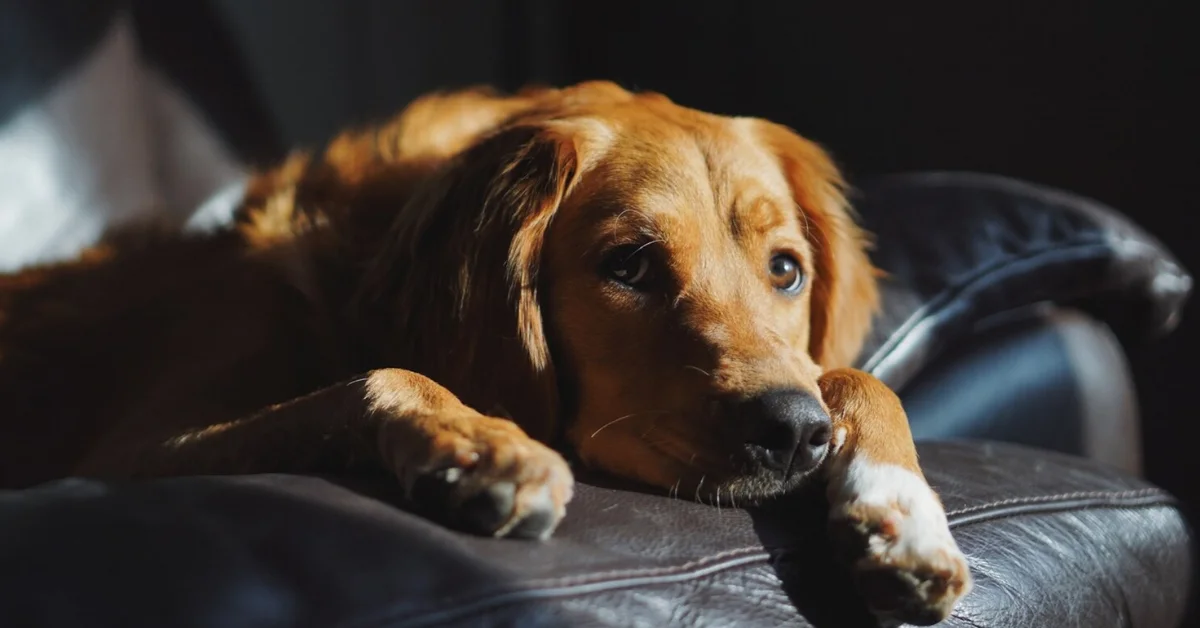
Does your dog begin shaking as soon as you pull into the grooming salon parking lot? Maybe they hide when the brush appears, pull away when someone touches their paws, or become so frightened that a groomer cannot finish the appointment.
These reactions can be upsetting for both pets and their owners. Families may feel embarrassed after being told that their dog is too difficult, too nervous, or too aggressive. However, fearful behavior during grooming does not mean a dog is bad. It often means the experience feels confusing, uncomfortable, or overwhelming.
The right groomers for anxious dogs do not focus only on completing a haircut. They pay attention to the dog’s emotional state, introduce each step carefully, and build a grooming plan that can become easier over time.
Why Do Some Dogs Fear Grooming?
A grooming salon contains many things dogs may not understand. Clippers make unfamiliar sounds. Dryers blow air across the coat. Tables can feel slippery, and strangers may need to touch sensitive areas such as the face, feet, ears, and tail.
Even a friendly dog can feel worried in this environment. Anxiety may become stronger when a pet has:
- Experienced painful brushing or dematting
- Had a nail trimmed too close to the quick
- Been restrained roughly during a previous visit
- Spent a long time waiting near barking dogs
- Had little grooming experience as a puppy
- Developed joint pain, skin sensitivity, or another health concern
- Come from a rescue situation with an unknown history
Some dogs try to escape. Others freeze, growl, bark, snap, or tuck their paws beneath their bodies. These behaviors are often attempts to create distance from something frightening.
Ignoring these warnings and applying more pressure can make future appointments even harder.
What Should Gentle Grooming Look Like?
Gentle grooming is not simply speaking softly while completing the same rushed routine. It means adjusting the entire appointment to the dog in front of the groomer.
A thoughtful process may begin with a short conversation about the pet’s history. Owners should explain which parts of grooming cause the strongest reaction, whether the dog has ever attempted to bite, and how the animal behaves after returning home.
The groomer can then create a safer plan. This may include:
- Scheduling the visit during a quieter period
- Allowing the dog time to explore the salon
- Introducing tools before using them
- Offering treats and praise
- Changing positions when the dog feels uncomfortable
- Completing important hygiene care before cosmetic styling
- Providing breaks throughout the appointment
- Dividing a full groom into two shorter sessions
For a severely anxious dog, the first successful visit may not include a complete haircut. The dog may simply meet the team, stand on the grooming table briefly, or tolerate a few moments of brushing. Small progress is still progress.
How Rebel Tails Approaches Anxious Dogs
Rebel Tails provides specialized grooming for anxious, reactive, and challenging dogs in Morrisville, North Carolina. The salon welcomes many pets that have struggled in traditional grooming environments or have previously been turned away.
The team begins by learning what the dog has experienced. Groomers observe breathing, body tension, tail position, facial expressions, and movement during the appointment. When signs of stress increase, they can slow down, offer a break, change the handling method, or stop the session.
Rebel Tails uses a cage-free, low-stress environment rather than placing dogs in rows of kennels for long periods. The team also avoids yelling, rough grabbing, and forcing a frightened dog through every scheduled procedure.
The purpose is not to overpower the dog. It is to make grooming feel more predictable and manageable.
Why Acclimation Visits Can Help
Some dogs need time to learn that a salon is safe. An acclimation visit gives them that opportunity without the pressure of completing an entire groom.
During a short visit, the dog may enter the salon, meet the groomer, receive treats, hear grooming equipment from a comfortable distance, and leave before becoming overwhelmed.
Future appointments can gradually introduce more handling. One visit may focus on brushing. Another may include a bath or a few nails. As the dog develops trust, the team can attempt more complete services.
This gradual method can be especially useful for rescue dogs, puppies, pets with previous grooming trauma, and animals that become defensive when their feet or faces are touched.
Nail Trimming Requires Special Patience
Nail care is one of the most common reasons owners look for groomers for anxious dogs. Many pets are comfortable with bathing and brushing but panic as soon as someone holds a paw.
A patient groomer may begin by touching the paw for one second, providing a reward, and releasing it. In more difficult cases, only one or two nails may be completed during the first visit.
Rebel Tails may use a nail grinder when appropriate because it allows careful, controlled shortening. However, the method must still be introduced gradually. The sound and vibration can feel unfamiliar to a nervous dog.