
Garage Door: Maintenance, Safety, and Choosing the Right One
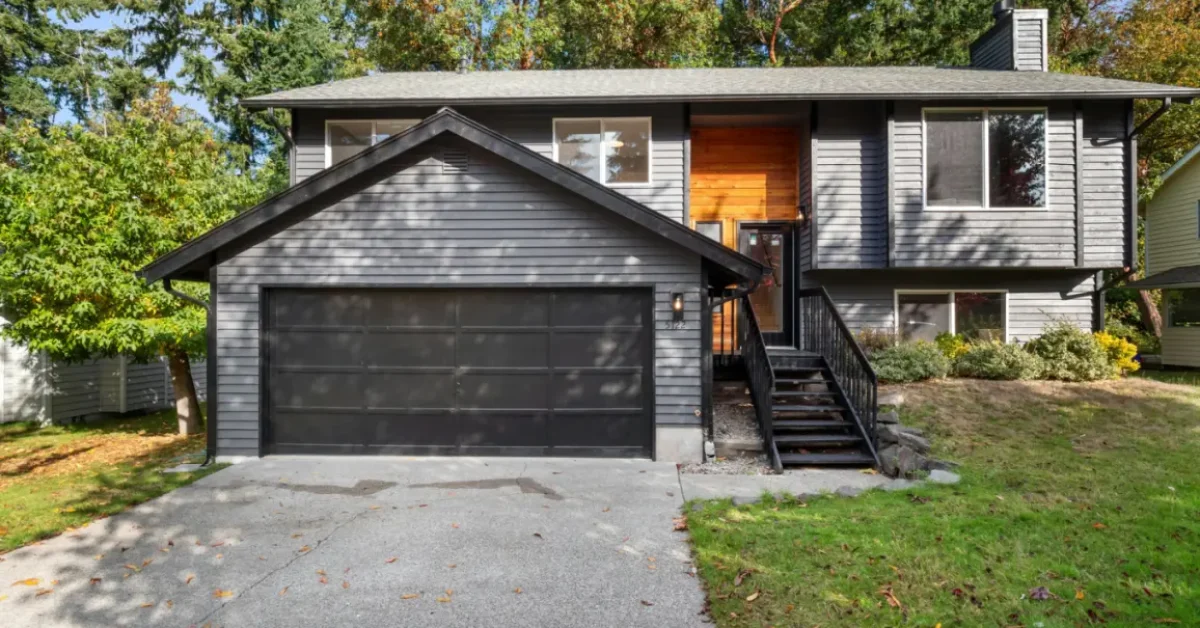
Most people don’t think about it until it’s too late, but your garage door is the biggest moving part of your entire house, and it opens and closes way more than any other mechanical thing you own.
If you take care of it, a door can easily run 15 to 30 years. Ignore it, and you’ll end up with a door that’s stuck, a spring that snaps, or a repair bill for something that would’ve cost ten bucks to fix early. If you ever hit a problem that’s more than you want to tackle on your own, Overhead Door Company of Glens Falls is a trusted local provider of garage door repair Glens Falls homeowners can count on.
This guide covers monthly checks you can do yourself, when and how to lubricate things, the warning signs that mean “call someone now,” how to shop for a new door, and two safety tests you really shouldn’t skip.
Simple Garage Door Maintenance That Saves You Headaches
The Quick Monthly Check Every Homeowner Can Do
Pick a day, like the first Saturday of the month, and give your door five minutes. That’s really all it takes.
- Tracks: Check for dents, rust, or junk that’s built up. A bent track will throw the rollers off, and that’s when you start getting that uneven, jerky movement.
- Cables and springs: Look them over for fraying, rust, or gaps in the coils. One thing though, don’t mess with the springs yourself. They’re under a lot of tension, and if one lets go while you’re near it, that’s a trip to the ER, not a DIY win.
- Balance test: Pull the release cord to disconnect the opener, lift the door about halfway by hand, then let go. A door that’s balanced right will just stay put. If it falls or flies up, that’s your springs telling you they need a professional’s attention.
- How it moves and sounds: Run it through a full open-close cycle. It should be smooth, steady, no jerking or grinding or pulling to one side. If you’re suddenly hearing squeaks or bangs that weren’t there before, a roller or hinge is probably asking for lubrication, or it’s just worn out.
- Hardware: Give the bolts on the tracks and brackets a check and tighten anything loose. All that daily vibration works screws loose over time, it’s just physics.
Lubrication and Seasonal Tune-Ups
Twice a year, spring and fall, is a good rhythm for lubricating the rollers, hinges, springs, and the parts of the track where things make contact. Grab a silicone-based or lithium-based garage door lubricant and apply it thin. And do yourself a favor, skip the WD-40 here. It’s a solvent, not really a lubricant, and it ends up attracting dust that wears the metal down faster.
While you’re out there, take a look at the weatherstripping along the bottom of the door and around the frame. Winter cold makes it brittle, summer heat dries it out, so plan on swapping it every couple years to keep the drafts, water, and bugs where they belong, outside. And if your opener runs on a chain, check the tension and lube it too. A loose chain slaps against the rail and wears itself out faster than it should.
Spotting Trouble Early: Signs Your Garage Door Needs Repair
- Slow or uneven movement. If it hesitates or one side is dropping faster than the other, that usually means a worn spring, cable, or opener drive.
- Grinding or popping sounds. Worn rollers, a bent track, or a stripped gear in the opener are the usual suspects. And if you hear a loud bang followed by the door just refusing to budge, that’s often a broken spring.
- Sagging between panels. A visible dip or gap in the middle of the door means the springs have lost their tension and just can’t hold the weight anymore.
- The door reverses before it even closes. Nine times out of ten this is dirty, misaligned, or blocked photo-eye sensors. Sometimes it’s the opener’s close-force setting being off.
- It’s noticeably heavier to lift by hand. Disconnect it and try lifting it yourself. If it feels heavy or lopsided, the springs are on their way out, even if nothing else looks wrong.
- Opener runs, door doesn’t move. That’s a different problem, probably a broken drive belt or chain, a stripped gear, or a trolley that’s disconnected. Not a spring issue.
A broken or weak spring can drop the door suddenly, and that’s not a small deal. If you notice sagging or the door getting heavy to lift, don’t wait. Call someone that week, not “eventually.”
How to Pick the Right Garage Door for Your Home
Material. For your local weather, steel is really the go-to. It holds up in the cold, doesn’t need repainting for years, and shrugs off road salt and moisture better than wood does. Wood looks fantastic, but it needs refinishing every few years or it starts to rot. Aluminum and fiberglass are lighter and won’t rust on you, but they dent easier and don’t handle high wind quite as well.
Insulation, or R-value. If your garage is attached to the house, or you actually use it as a workspace, look for an R-value of at least 12 to 18. Insulated doors sandwich a polystyrene or polyurethane core between steel layers. Polyurethane fills the whole cavity and gets you a higher R-value per inch than polystyrene, which sits in as more of a flat panel. Higher R-value also just means a quieter, sturdier door overall.
Gauge and construction. Steel doors get rated by gauge, and 24, 25, or 27 are the common ones for homes. Lower number means thicker steel that dents less. Go with two- or three-layer construction rather than a single steel skin. A single layer dents easily and gives you zero insulation.
Style. Carriage-house doors with the fake hardware look great on colonial and farmhouse-style homes. Raised-panel doors fit most traditional houses just fine. If your place is more modern, a flush, minimal-panel door tends to fit better. Bring a photo of your house’s front when you go shopping. It’s a lot easier to picture a door on your actual home than to guess from a catalog.
Opener and safety features. Make sure whatever door you get pairs with an opener that has working photo-eye sensors and auto-reverse (every opener made since 1993 is required to have this). And ask about the warranty separately for the panels, the hardware, and the opener, because they usually don’t all carry the same coverage.
Safety First: Testing Your Door’s Critical Features
Auto-reverse test. Lay a 2×4 or a roll of paper towels flat on the ground right where the door closes. Close the door and watch what happens. It should reverse the second it touches the object. If it just keeps on closing anyway, stop using that opener and get the force setting or safety mechanism looked at right away.
Photo-eye sensor test. Close the door, then wave your hand through the beam near the bottom of the track, about 4 to 6 inches off the ground, before the door gets there. It should reverse immediately. If it doesn’t, check that both sensors line up (their lights should be solid, not blinking) and wipe the lenses clean.
Manual release. Find the release cord, it’s usually a red handle hanging down from the opener trolley, and pull it to disconnect the door from the opener. Make sure you can still open and close the door by hand. Learn where this is now, not during a power outage when you actually need it.
If any of these tests don’t go the way they should, or you notice the warning signs mentioned earlier, Overhead Door Company of Glens Falls handles repairs and installations in the area.