
How Paint Protection Film Helps Preserve Your Car’s Finish for Years
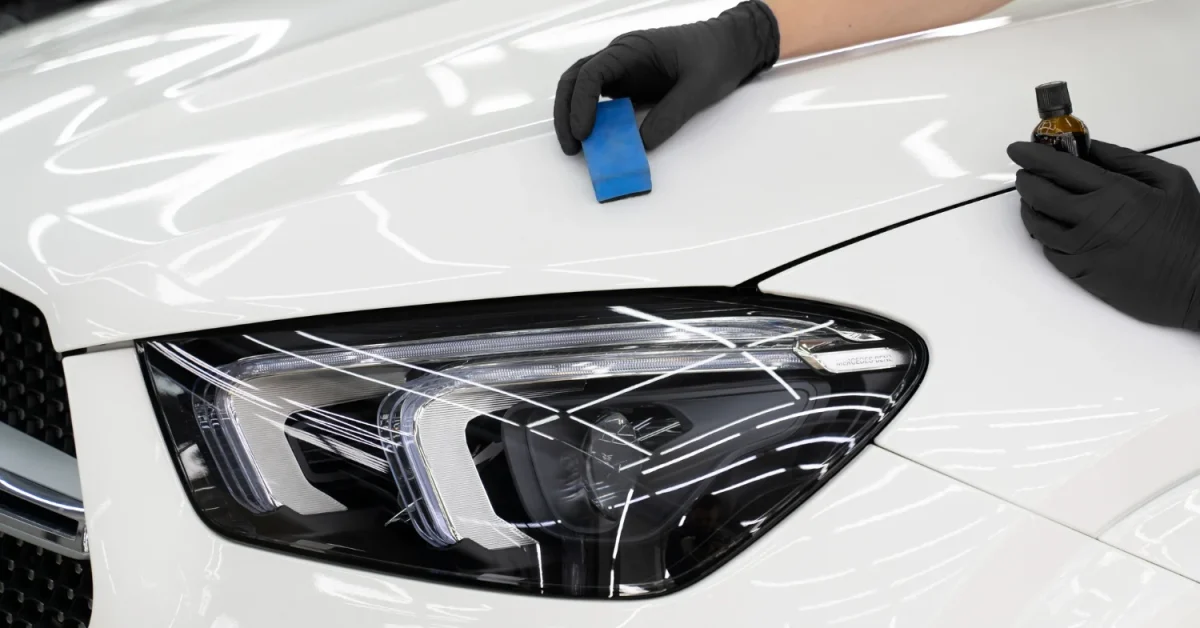
Your car’s paint takes a beating every single day you drive it. Gravel flying up from the highway, bird droppings baking in the sun, tree sap dripping on your hood, and all that UV exposure add up faster than most people realize. Before you know it, you’re staring at chips, fading, and swirl marks that cost a small fortune to fix.
That’s exactly the problem paint protection film, or PPF, was built to solve. Instead of paying for touch ups down the road, you stop the damage before it even happens. This guide covers what PPF actually does, which parts of your car need it most, and how to get the most life out of it once it’s on.
If you’re curious what professional grade film from a trusted name like Master Protection Films could do for your ride, you can learn more about your options.
What Is Paint Protection Film, Really?
PPF is a thin, clear urethane film applied straight onto your car’s paint. Think of it less like a coating and more like armor, a physical layer on top of your factory paint, not a chemical treatment like wax or ceramic coating. Best part, once it’s installed you can barely tell it’s there.
The film absorbs the hit from road debris and shrugs off small scratches that would otherwise mess up your clear coat. A lot of newer PPF products can even self heal, so light swirl marks disappear when the film warms up, whether that’s from the sun or a heat gun during a detail job. Most good films also come with built in UV protection to slow down fading and oxidation.
Why So Many Car Owners Swear by PPF
It Takes the Beating So Your Paint Doesn’t
Your front bumper, hood, and side mirrors take the worst of it, especially out on the highway where rocks and debris are flying around constantly. Without any protection, those little impacts chip away at your clear coat bit by bit until they finally reach the actual paint.
With PPF on there, all that gets absorbed by the film instead. Your paint underneath stays exactly how it was on day one.
It Keeps Your Car Looking Cleaner for Longer
Bug guts, bird droppings, tree sap, all of it is more acidic than you’d think, and if it sits on your paint too long it can actually eat into it. PPF gives you a smoother surface that these things just don’t stick to as easily, so cleanup is a whole lot simpler and staining becomes way less of an issue. Your paint also keeps that glossy look longer between washes since it’s not soaking up all that grime directly.
Is Every Part of Your Car Worth Protecting?
You don’t need to wrap your whole car to benefit from PPF. Your front bumper, hood, and side mirrors deal with the most abuse, so those are usually the first spots worth covering. Rocker panels take a lot of splash back too, and don’t sleep on your door edges and handles, since those get scratched up from keys, rings, or fingernails.
For most people, a front end package covering those main areas is honestly the sweet spot. You get strong protection exactly where you need it without paying to wrap the entire car. But if you want total peace of mind and never want to worry about paint damage again, a full wrap is worth thinking about too, just know it’ll cost you more upfront.
Simple Tips to Make Your PPF Last Longer
Wash your car regularly with a pH neutral soap so dirt doesn’t build up on the film. Stay away from automatic car washes with big spinning brushes, since they can lift the film’s edges. A touchless wash is your safer bet.
Right after installation, give the film a few days to cure before washing your car, that way the adhesive has time to properly bond.
If bird droppings or bug splatter land on your car, clean it off soon since it only gets harder to remove the longer it sits. And every once in a while, have your installer check for any lifting edges or damage before small issues turn into bigger headaches.
Wrapping Up
At the end of the day, PPF gives you a real way to stop the everyday wear and tear that ruins your car’s finish, whether that’s rock chips, sun damage, or acidic gunk from bugs and birds. Whether you protect just the high impact spots or the whole car, your paint stays in better shape for years, and your car holds onto more of its value when it’s time to sell or trade in.
So if you’re ready to give your car’s paint the protection it deserves, go talk to a trusted PPF installer and figure out what coverage actually makes sense for your car and your budget.