
The Difference Between Cosmetic Wear and Structural Problems on a Roof
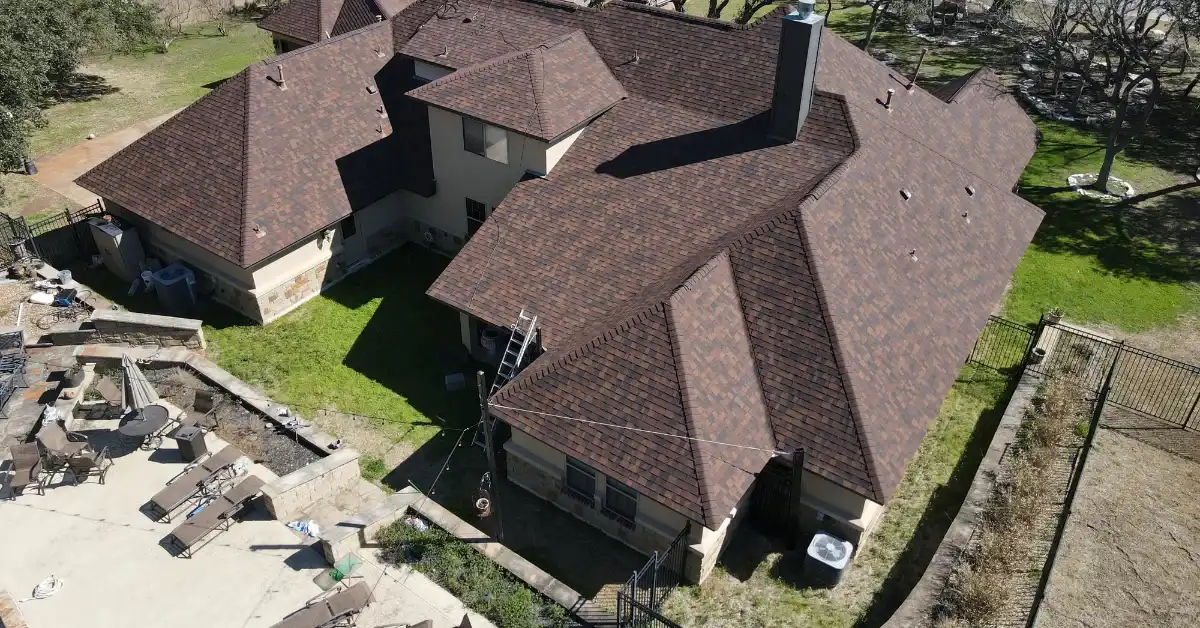
When you notice dark streaks or weird discoloration on your roof, the big question is whether it’s just cosmetic or if something’s actually wrong. Cosmetic stuff looks bad but your roof still does its job.
Structural issues mean water’s getting in and you need repairs. Getting this wrong costs you, either you replace a perfectly good roof too early, or you wait too long and a small problem becomes a massive headache.
Here’s the thing: most people have no clue how to tell these apart. You might freak out over some algae that’s completely harmless, or brush off early warning signs that’ll cost you thousands down the road.
This guide walks through the specific things you should look for, when you can just keep an eye on things versus when you need to act fast, and how to make smart choices about taking care of your roof.
Understanding the Difference Between Cosmetic Roof Wear and Structural Issues
Cosmetic wear is basically surface stuff like staining, discoloration, or weathering that makes your roof look older but doesn’t stop it from keeping water out. Your roof’s still working fine even if it’s not winning any beauty contests.
Structural problems are different. You’re dealing with damage to the actual materials that protect your house like cracked shingles, missing pieces, messed up flashing, underlayment that’s shot, or decking that’s sagging. These let water sneak in and get worse every time it rains.
The real test is simple: does your roof still keep water out? If yes, it’s probably cosmetic. If water can get through or materials are falling apart, that’s structural damage and you need to deal with it.
Visual Clues That Help Distinguish Surface Wear From Roof Damage
Signs Typically Linked to Cosmetic Staining and Aging
Those dark vertical streaks you see, especially on the north side or shady parts of your roof, are algae. They’re usually pretty consistent across big areas and the shingles themselves aren’t damaged. Green fuzzy stuff is moss. It starts out as just ugly but can actually lift up shingle edges if you ignore it for years.
If your whole roof has faded or gotten lighter, that’s just UV rays doing their thing over time. It’s normal aging, not a sign your roof’s failing. Dirt, pollen, and general gunk make your roof look grimy. Rain washes some of it away but not all of it, leaving these weird splotchy patterns that look worse than they are.
Indicators That May Suggest a Structural Roof Problem
Shingles that curl or cup, where the edges lift or the middle buckles, can’t seal properly anymore. Missing shingles are obvious gaps in your protection. After a storm, walk around your yard and look for shingle pieces, then check your roof for bare spots.
Any sagging, even just a little dip or wave in your roof line, means something’s wrong with the structure underneath. Cracked or broken shingles have actual splits or tears through the material. Flashing that’s damaged around your chimney, vents, and roof edges lets water right in. Look for gaps, rust, or metal that’s pulled away.
Heavy granule loss is when you can see the black asphalt layer underneath the shingles, and your gutters are full of what looks like black sand. That means the protective coating on your shingles is gone.
Why Cosmetic Roof Wear Occurs and How It Changes Over Time
Those black streaks come from an algae called Gloeocapsa magma. It literally eats the limestone filler in your shingles and loves humid weather. The good news is it doesn’t actually damage the shingle structure, though it does soak up heat and might bump up your cooling bills a bit. Moss grows when spores blow onto your roof and find damp, shady spots with debris.
It spreads pretty slowly and doesn’t hurt anything at first, but eventually those roots can work their way under your shingles. UV rays break down your shingles gradually, causing them to fade and lose granules over time.
Knowing When Observation Is Sufficient and When Repairs Are Necessary
You can keep an eye on algae streaks, early moss growth, light even fading, and surface dirt as long as you don’t see lifted shingles, missing pieces, or materials breaking down.
Check every few months or after big storms to make sure things aren’t getting worse. Most asphalt roofs last somewhere between 20 and 30 years, and cosmetic changes in the first 10 to 15 years usually don’t mean your roof’s dying early.
Here’s when you need to move fast. Missing shingles need replacing right away because even just one is a way for water to get in. Cracked, broken, or curling shingles aren’t going to magically fix themselves and they’ll only get worse with every weather change.
Damaged flashing is one of the most common places for leaks, and it doesn’t matter how perfect your shingles are if your flashing’s shot.
Any sagging or waviness needs a professional to look at it immediately because that’s a safety thing. And look, if you’re not sure what you’re seeing, just get a professional inspection. Most roofing companies will do it for free or cheap, and they’ll tell you straight up whether you’ve got cosmetic issues or real problems.
Surface-Level Solutions Homeowners Consider After Damage Is Ruled Out
Once you’re certain there’s no structural damage, you can tackle the cosmetic stuff for looks and to prevent future issues. Local roof cleaners use low-pressure washing along with special solutions that kill algae and moss without wrecking your shingles or knocking off the granules.
Professional services usually go with oxygen-based or eco-friendly chemicals, or treatments with zinc and copper that clean things up and help prevent regrowth.
If you’re going to do it yourself, don’t even think about using a pressure washer on high because it’ll damage your shingles and probably void your warranty. Stick to products made specifically for roofs and be careful up there.
You can install zinc or copper strips along your ridge line that release metal ions when it rains, which keeps algae and moss from coming back. Trim branches that hang over your roof to get more sunlight and better airflow. Clean your gutters regularly and clear out debris from the valleys so moisture doesn’t hang around.
In the End
Cosmetic wear looks terrible but your roof still works. Structural problems need fixing now or you’re looking at water damage, rot, and major bills for fixing the inside of your house.
The visual signs are pretty clear once you know what you’re looking at. Streaks and fading that’s the same everywhere means cosmetic issues, while damage in specific spots like missing shingles, cracks, and sagging means structural failure.
Match your response to what you’re dealing with. Keep tabs on cosmetic wear every few months and handle it when you feel like improving how things look. Fix structural damage immediately so it doesn’t snowball. If you’re not sure what you’re seeing, professional inspections cost way less than replacing water-damaged ceilings, walls, and insulation.